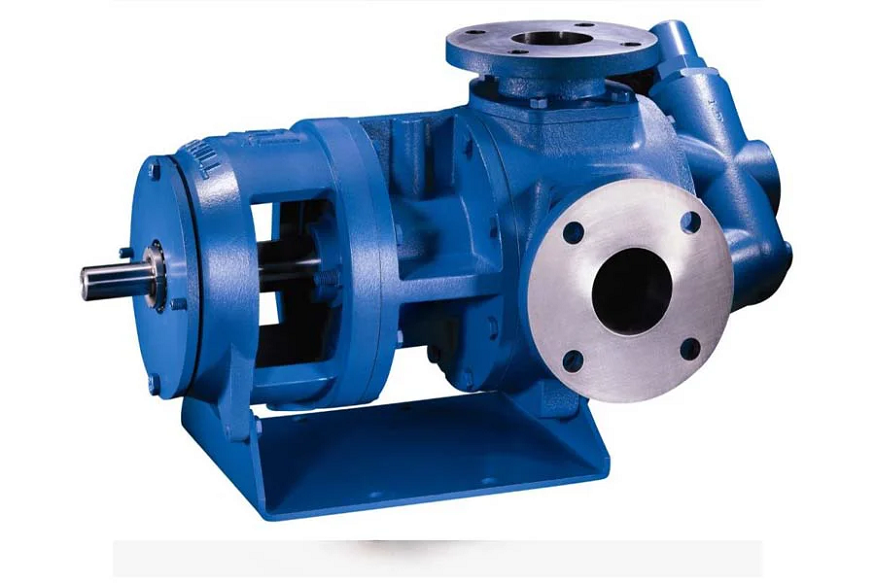
Choosing the right pumping equipment is one of the most important decisions in any fluid handling system. The pump you select directly affects efficiency reliability maintenance costs and overall system performance. Among the many pump types available today rotary gear pumps are widely used because of their precise flow control compact design and ability to handle a wide range of fluids.
However not every gear pump is suitable for every application. System requirements fluid properties operating conditions and long term goals must all be considered before making a decision. This article provides a detailed guide on how to choose the right rotary gear pump for your system. By understanding key selection factors and working closely with an experienced gear pump manufacturer you can ensure optimal performance and long service life.
Understanding How Rotary Gear Pumps Work
Before selecting a pump it is important to understand its basic operating principle. Rotary gear pumps are positive displacement pumps that use rotating gears to move fluid from the inlet to the outlet.
As the gears rotate they create sealed spaces that trap fluid and carry it around the casing. The fluid is then discharged at a consistent rate. Because a fixed volume of fluid is moved with each rotation the flow rate is directly related to pump speed. This makes rotary gear pumps ideal for applications requiring accurate and repeatable flow.
Their simple mechanical design contributes to durability and ease of maintenance making them a popular choice in many industries.
Evaluating System Flow Requirements
The first step in selecting the right pump is understanding your required flow rate. Flow rate is typically defined by how much fluid needs to be moved within a given time.
Rotary gear pumps perform best when they operate within their designed flow range. Selecting a pump that is too small may result in insufficient flow and increased wear. Choosing one that is too large can lead to inefficiency and unnecessary energy consumption.
Carefully calculate both the normal operating flow and any peak demand conditions. This information helps narrow down suitable pump sizes and ensures stable performance.
Considering Operating Pressure Conditions
Pressure requirements are another critical factor. Positive displacement pumps like rotary gear pumps can generate high pressure if system resistance increases.
It is important to determine the maximum discharge pressure your system will experience. This includes pressure losses in piping valves filters and other components. The selected pump must be capable of operating safely within this pressure range.
In addition pressure relief protection should be included in the system design. A knowledgeable gear pump manufacturer can help match the pump design to your pressure requirements while ensuring system safety.
Analyzing Fluid Characteristics
The type of fluid being pumped has a major impact on pump selection. Key fluid properties include viscosity temperature lubricity and cleanliness.
Rotary gear pumps are well suited for handling a wide range of viscosities from thin liquids to thicker oils and resins. However extremely viscous fluids may require larger clearances or lower operating speeds.
Fluid temperature affects viscosity and material compatibility. High temperatures may require special materials or cooling considerations. Fluids with poor lubricating properties may increase wear and require specific internal designs.
Understanding these characteristics ensures that the pump materials and construction are compatible with your application.
Assessing Fluid Cleanliness and Contamination Risks
Contaminants such as particles or debris can accelerate wear in gear pumps. While rotary gear pumps are robust they perform best with clean fluids.
If your system involves fluids with potential contamination proper filtration is essential. Selecting a pump with appropriate clearances and using effective filters helps protect internal components.
Discussing contamination risks with a gear pump manufacturer allows for customization and material selection that improves durability in challenging environments.
Matching Pump Materials to the Application
Material selection is crucial for reliability and longevity. Pump components must resist corrosion wear and chemical attack from the fluid being handled.
Common materials include various metals and engineered alloys chosen based on fluid compatibility and operating conditions. In applications involving corrosive or sensitive fluids selecting the right materials prevents premature failure and contamination.
A well informed selection process considers both internal components and external housing materials to ensure full system compatibility.
Evaluating Speed and Drive Options
Pump speed influences flow rate efficiency and wear. Operating a rotary gear pump at excessively high speed may increase wear and noise. Running it too slowly may reduce efficiency.
Consider the available drive options such as electric motors or mechanical drives and how they integrate with your system. Variable speed drives can offer flexibility by allowing precise flow adjustment.
Working with an experienced gear pump manufacturer helps ensure that the pump speed and drive configuration align with system demands.
Considering Installation and Space Constraints
Physical space and installation layout often influence pump selection. Rotary gear pumps are compact but still require proper mounting and alignment.
Evaluate available space for the pump motor coupling and maintenance access. Proper alignment reduces vibration and extends bearing and seal life.
Planning installation requirements early helps avoid costly modifications later and ensures smooth integration into the existing system.
Understanding Maintenance and Service Needs
Maintenance requirements vary depending on pump design and application. Selecting a pump that is easy to inspect service and repair reduces downtime and operating costs.
Consider factors such as seal replacement access bearing life and availability of spare parts. Pumps designed with simplicity and accessibility in mind support efficient maintenance practices.
A reputable gear pump manufacturer often provides guidance documentation and support to help users maintain optimal performance over time.
Energy Efficiency and Operating Costs
Energy efficiency plays an important role in long term operating costs. Gear pumps are generally efficient but performance varies based on size speed and system conditions.
Choosing a pump that closely matches system requirements reduces energy waste. Proper sizing minimizes internal leakage and friction losses.
Over the life of the system improved efficiency can result in significant cost savings and reduced environmental impact.
Ensuring Compliance With Industry Standards
Many industries operate under strict safety quality and environmental regulations. Pump selection must align with applicable standards and certifications.
Whether the application involves industrial oils chemicals or specialty fluids ensuring compliance helps avoid operational risks and regulatory issues.
Consulting with a gear pump manufacturer who understands industry standards simplifies the selection process and provides confidence in system design.
Customization for Specialized Applications
No two systems are exactly alike. Specialized applications may require customized features such as modified clearances special seals or unique mounting configurations.
Rotary gear pumps can often be tailored to meet specific needs. Customization ensures that the pump performs optimally under unique operating conditions.
Early communication of requirements allows manufacturers to design solutions that maximize reliability and efficiency.
Planning for Long Term Reliability
Selecting a pump is not only about immediate performance but also long term reliability. Consider expected operating hours maintenance schedules and system growth.
A well chosen rotary gear pump supports future expansion and changing process demands. Investing in quality design and proper selection reduces unexpected failures and extends service life.
Working With the Right Gear Pump Manufacturer
Choosing the right partner is just as important as choosing the right pump. An experienced gear pump manufacturer offers technical expertise application knowledge and ongoing support.
They help evaluate system requirements recommend suitable designs and provide guidance throughout installation and operation. This partnership adds value beyond the equipment itself and contributes to long term success.
Selecting the right rotary gear pump requires careful evaluation of flow pressure fluid properties installation constraints and long term goals. By understanding how rotary gear pumps operate and how system conditions affect performance you can make informed decisions that enhance efficiency and reliability.
Working closely with a knowledgeable gear pump manufacturer ensures that the selected pump aligns with your specific needs and industry standards. With the right choice your pumping system can deliver consistent performance reduced maintenance and lasting value for years to come.
